The Vinyl, the Photographs and the Family Clock: Mediating Sentimental Property in a Manchester Separation
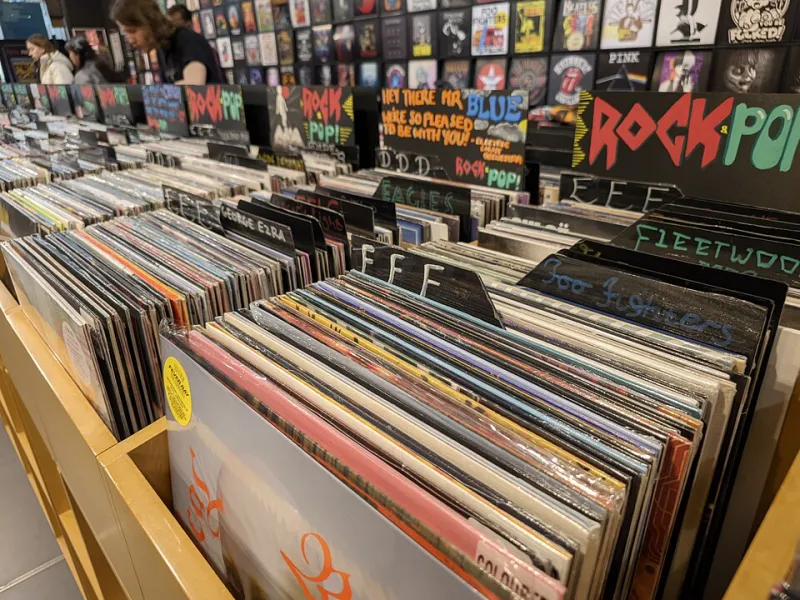
Photo: Celsoazevedo, CC0, via Wikimedia Commons
Introduction
In any separation, practical decisions about money and property are rarely straightforward. Yet some of the most heated disputes concern items that, on paper, have little financial value. A record collection, a set of tools, a pet, a child's artwork or an inherited piece of furniture can become the focus of intense emotion. Mediators in Manchester regularly see how these items derail otherwise sensible negotiations. The reason is simple: sentimental value is personal and invisible, and it cannot be divided by a calculator. This article examines the most common categories of sentimental property and offers practical mediation techniques for reaching fair arrangements without turning the separation into a courtroom battle over a box of LPs.
1. Vinyl records and music collections
For many people, a vinyl collection represents years of careful curation, memories of gigs and a sense of identity. A spouse may see only a shelf of dusty records; the owner sees a life's soundtrack. In mediation, it helps to ask each party to describe what the collection means to them and whether any items have particular significance. Sometimes the solution is to divide the collection by artist or genre, or to agree that one party keeps the collection while the other retains a right to borrow specific records. Where the collection has financial value, an independent valuation can help separate sentiment from market worth, but the mediator will encourage both parties to acknowledge the emotional dimension.
2. Family photographs and negatives
Photographs are often the most contentious items because they are irreplaceable. Couples may argue over who should keep the albums, particularly where children are involved. Mediation can help by focusing on practical solutions: digitising the entire collection and sharing copies, agreeing that one party holds the physical albums while the other has access, or dividing photographs by family side. The mediator's role is to help both parties recognise that the goal is preservation and sharing, not possession for its own sake.
3. Tools and workshop equipment
Tools often carry a mixture of financial and sentimental value, especially if they were inherited or used for a shared hobby. A workshop may have been a place of shared projects, or a tool may have belonged to a grandparent. In mediation, it can be useful to clarify who actually uses each item and whether replacement cost is a relevant factor. Sometimes an agreement can be reached by allocating tools according to need or by agreeing that one party sells certain items and shares the proceeds. The mediator will encourage a pragmatic approach while acknowledging the memories attached.
4. Pets
Pets occupy a unique position in law and in family life. They are legally property, but emotionally they are family members. Mediation is often the best forum for discussing arrangements for pets, because it allows both parties to focus on the animal's welfare rather than ownership. The mediator may help you explore options such as shared care, a schedule of walking and vet visits, or agreeing that one party keeps the pet while the other has regular contact. The key is to separate the legal question of ownership from the practical and emotional question of care.
5. Children's artwork and school records
Parents often place enormous sentimental value on their children's early drawings, school reports and first shoes. These items are easy to overlook in formal negotiations, yet disputes over them can be deeply hurtful. Mediation can help by suggesting that such items are jointly curated, perhaps in a shared memory box, or that copies are made for both parents. The mediator will encourage both parties to consider what is in the children's best interests, which often means ensuring that both parents have access to meaningful mementoes.
6. Wedding gifts and inherited furniture
Wedding gifts and inherited furniture raise questions of ownership and family expectation. A piece of furniture may have been passed down through one family, or a wedding gift may have been intended for the couple jointly. Mediation can help to untangle these issues by exploring the origin of each item, the intention behind the gift, and each party's sense of connection to it. In some cases, an independent valuation may be appropriate, but the mediator will also encourage a conversation about fairness and family relationships.
7. Holiday souvenirs and personal letters
Small items such as holiday souvenirs, letters and cards can carry disproportionate emotional weight. They may represent a shared history that is painful to divide. Mediation techniques such as creating a 'memory inventory' — a list of items with each party noting why they matter — can help make the invisible visible. Once both parties understand what each item means, it becomes easier to find creative solutions, such as agreeing to keep certain items in a shared storage unit or to pass them to children when they are older.
Why sentimental items derail negotiations
Sentimental items derail negotiations because they engage identity, memory and grief. They are not about money, so standard financial logic does not apply. When one party dismisses an item as 'just a box of records', the other may feel profoundly invalidated. The resulting hurt can escalate into a wider conflict that undermines trust. Mediators are trained to recognise this dynamic and to slow the conversation down, ensuring that emotional value is acknowledged before practical solutions are explored.
Mediation techniques: separating sentiment from financial value
Several techniques are particularly useful when mediating sentimental property. First, ask each party to list the items that matter most and to rate their emotional importance on a simple scale. This helps identify priorities. Second, use open questions to explore the meaning behind each item: 'What does this clock represent to you?' Third, clarify ownership where possible — was an item inherited, gifted or bought jointly? Fourth, consider objective criteria, such as independent valuations, for items with financial worth. Fifth, explore symbolic solutions: copies, photographs, shared access or rotation. Sixth, use private caucus for especially sensitive items, allowing each party to express feelings without an audience. Finally, reality-test proposals: will a shared arrangement actually work in practice?
Reaching fair arrangements without court
The goal of mediation is not to decide who wins or loses, but to help both parties reach an arrangement they can live with. For sentimental items, fairness often means acknowledging emotional value and finding creative ways to share or preserve meaning. A written agreement — a memorandum of understanding — can record what has been decided, and it can be reviewed if circumstances change. Where an agreement is reached, it is more likely to be respected than a court order imposed from outside. For many Manchester families, mediation offers a way to divide the sentimental as well as the financial, without losing sight of what matters.