The Static Beyond the M62: Mediating a Shared Holiday Home After a Manchester Separation
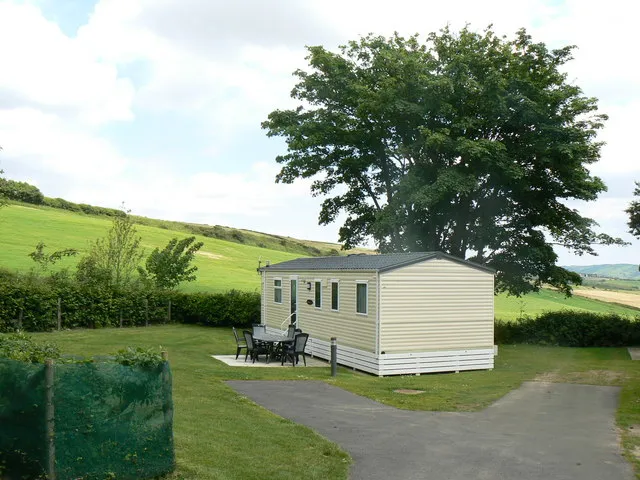
Photo: Sebastian Ballard, CC BY-SA 2.0, via Wikimedia Commons
A static caravan on the North Wales coast, a lodge in the Lakes or a timeshare week that has been part of family life for years rarely behaves like an ordinary financial asset. It carries memories, routines and the expectation of future summers. When a Manchester couple separates, the holiday home can become either a practical shared resource or a recurring source of dispute. Mediation offers a structured way to separate the practical questions from the emotional weight and to reach workable arrangements without turning every bank holiday into a negotiation.
Establish what is actually owned
The first task is to distinguish between ownership, occupation and expectation. A caravan or lodge may be held in one person's name, in joint names, through a company, or under a pitch licence that imposes its own conditions. A timeshare may involve points, a fixed week or a right to use rather than a freehold interest. The documents that matter include the purchase agreement, the pitch licence or site agreement, the insurance schedule, any finance agreement, and the site operator's rules on transfer, subletting and occupancy.
Mediation does not determine legal title. Where ownership is unclear, the mediator can help both parties identify the questions that need to be answered and the advice that needs to be taken. A solicitor may be needed to clarify beneficial interests, particularly where contributions were uneven or where money was inherited. What mediation can do is prevent those questions from being used as weapons and keep the practical arrangements moving while advice is obtained.
The annual costs do not pause
Holiday property generates costs whether or not it is used. Site fees, ground rent, rates, insurance, utilities, maintenance and safety checks continue. Some sites impose deadlines for pitch fees, and arrears can place the pitch itself at risk. An interim cost protocol is therefore often the first useful outcome of mediation. It should record who pays which costs, from which account, by what date, and how reimbursements are handled. It should also identify what happens if a bill is disputed.
Where a site operator requires a single named account holder, the parties may need a practical workaround. This might involve one person paying and the other contributing a defined share, with receipts and a review date. The aim is not to create a permanent financial constitution but to avoid avoidable losses while the longer-term decision is made.
Fair use without a rota war
Use is often the most sensitive issue. A simple 50/50 split of every bank holiday can be unworkable once travel from Manchester, work patterns and children's commitments are taken into account. Mediation can produce a use schedule that is fair in practice rather than fair on paper. It may address school holidays, bank holiday weekends, notice periods, guests, swapping arrangements, handover of keys and cleaning responsibilities.
Where children are involved, their routine and stability should be central. A caravan that is two hours from Manchester may be a wonderful base for one family but impractical for a midweek handover. The schedule should reflect reality. It can also include a review point, because children's needs and work commitments change. A written record of how requests are made and answered reduces the scope for resentment.
Maintenance, letting and site rules
Repairs and improvements need a decision-making process. A leaking roof or a failed boiler cannot wait for a full mediation session. The parties can agree a spending threshold below which one person may authorise urgent work, with receipts and notification to the other. Larger improvements should require agreement, and the record should state how costs are shared and how any increase in value is treated.
Letting introduces a further layer. Many sites restrict subletting or require consent. Insurance may not cover commercial letting. There may be health and safety obligations, changeover costs and tax considerations. If the parties decide to let the property, mediation can help define who manages bookings, how income and expenses are divided, how damage is handled and what records are kept. None of this replaces specialist advice, but it creates a clear framework within which that advice can be applied.
Three realistic routes: keep, let or sell
Keeping the property is possible where both parties value it and can agree costs, use and an exit mechanism. A co-ownership agreement can record contributions, decision-making and what happens if one person wants out. Letting may preserve the asset while offsetting costs, but it requires realistic management and a willingness to treat the arrangement commercially. Selling is often the cleanest route, but it raises questions of valuation, timing, marketing, site transfer fees and the treatment of sale proceeds.
Mediation can help the parties choose a route and plan the steps. It can set a timetable for valuation, a process for agreeing an asking price, and a rule for what happens if the property does not sell within a defined period. It can also address the position of children who have used the property and the practicalities of removing personal belongings.
Bringing the matter to mediation
A productive session starts with documents rather than accusations. Bring the title or purchase documents, the pitch licence, the latest insurance schedule, recent site fee invoices and any finance agreement. Be prepared to discuss what each person wants from the property and what they are willing to contribute. The mediator will not take sides or impose an outcome, but will help test proposals against practical realities.
Family Mediation Manchester works with separating couples who need to resolve property and financial questions alongside parenting arrangements. A shared holiday home is rarely just a building or a pitch. It is a set of habits and expectations. Mediation gives those expectations a structure, so that the caravan, lodge or timeshare can be dealt with as an asset rather than a battleground.