Beyond the Departure Gate: Mediating a Reliable Travel and Consent Protocol for Manchester Families
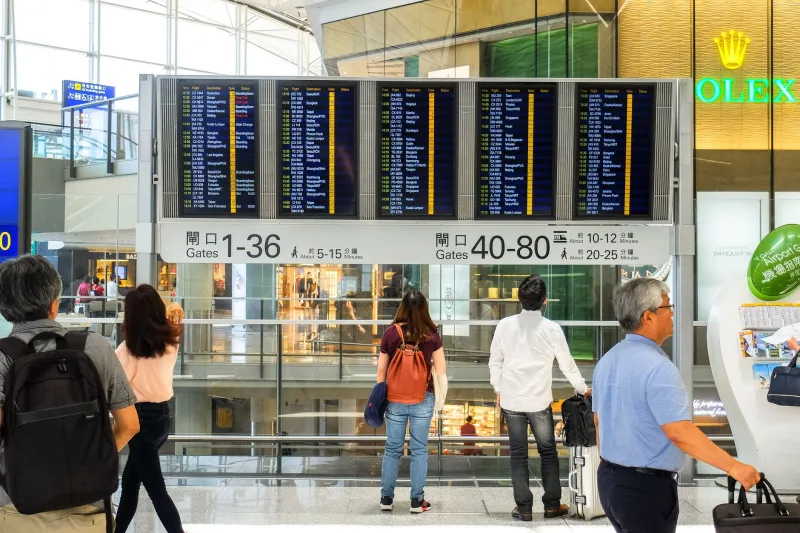
A family holiday should not depend on a last-minute exchange of messages, a missing passport or an unresolved objection. Yet after separation, overseas travel often becomes one of the more sensitive practical issues parents face. The arrangements combine several distinct concerns: the children’s passports, written consent for foreign travel, the cost and timing of bookings, school attendance, and the contact schedule that operates at home. For Manchester families, where Manchester Airport is a routine departure point and school term dates shape the calendar, these questions benefit from being settled in advance rather than under pressure.
Mediation is well suited to this work. It provides a structured setting in which parents can discuss the principles behind travel arrangements, record decisions clearly and reduce the risk of future disagreement. The aim is not to determine who is entitled to make unilateral decisions, but to build a practical protocol that both parents understand and can apply consistently.
Why travel becomes a flashpoint
Travel disputes rarely concern the destination alone. They often reflect uncertainty about authority, communication and reliability. One parent may worry that a proposed trip will disrupt a settled routine or encroach on limited holiday time. Another may feel that consent is being withheld without good reason. A third concern is simply administrative: passports kept in one household, consent letters requested late, and emergency contact information that is out of date.
These issues can become more acute when a trip has already been booked. Once money has been spent, positions may harden. Mediation can help parents separate the immediate problem from the underlying pattern and agree a process for handling future trips before bookings are made.
Who should hold the children’s passports?
There is no single arrangement that suits every family. Some parents agree that passports should remain with the parent with whom the children live for most of the time. Others prefer each parent to hold the passport for the children when a trip is planned, or for documents to be stored in a neutral place. What matters is that the arrangement is explicit and workable.
A mediated discussion can cover practical details such as:
- where passports are kept and how they are transferred between households;
- how much notice is needed when a passport is required for a booking or visa application;
- who is responsible for checking expiry dates and replacing documents;
- how passports are returned after a trip.
For families across Greater Manchester, where parents may live in different boroughs, the transfer itself should be planned. A protocol that assumes a passport can be collected at short notice is less reliable than one that identifies a reasonable notice period and a clear method of handover.
Turning consent into a document
Consent to foreign travel is not simply a matter of goodwill. Schools, airlines, border officials and travel insurers may ask for evidence that the child has permission to travel with the accompanying adult. A clear written consent letter can prevent difficulty at check-in or at the border. The precise requirements depend on the destination and the circumstances, so parents should check the relevant guidance rather than rely on assumptions.
In mediation, parents can agree a standard consent template to be used for future trips. The template might record the child’s details, the dates and destination of travel, the accompanying adult, contact details for the other parent, and confirmation that consent has been given. Both parents can keep a copy. This reduces the risk of a request being made late or in a form that is not accepted.
A reciprocal approach is important. If one parent expects written consent for trips abroad, the same standard should apply to the other. Mediation can help parents design a protocol that feels balanced rather than one-sided.
When a trip is booked and consent is withheld
A booked trip and a withheld consent can create immediate pressure. Mediation cannot compel either parent to consent, and it does not replace legal advice where court proceedings are being considered. It can, however, provide a forum to clarify the reasons for the objection and explore whether a practical solution exists.
The discussion may focus on the child’s routine, the purpose and length of the trip, the reliability of travel arrangements, and the contact that will continue while the child is away. Parents can also agree what notice will be required for future bookings so that a similar situation is less likely to arise. If agreement is not reached, mediation can at least narrow the issues and record what has been tried.
Aligning holidays with school terms and contact
Overseas travel is usually planned around school holidays. Manchester schools publish term dates, but not every family’s contact schedule aligns neatly with half-term, Easter or the summer break. Parents may also have different expectations about whether a child should miss school for a trip.
A travel protocol should sit alongside the parenting plan rather than be treated as a separate arrangement. Mediation can help parents agree how holiday dates will be selected, how contact will be maintained during a trip, and how changes will be handled if a flight is delayed or a return date shifts. It can also address the practical reality of the contact schedule: for example, whether a trip will replace or supplement regular weekend time.
The shared school calendar is a useful starting point. Parents can identify the fixed holiday periods, note any inset days or school commitments, and agree a timetable for proposing and confirming travel dates. A clear notice period is often more useful than a general expectation of “reasonable” notice.
Building a reciprocal travel protocol in mediation
A workable protocol need not be lengthy. It should be specific enough to prevent avoidable disputes. Mediation can produce a written summary covering:
- the notice required before booking foreign travel;
- how consent will be requested and recorded;
- who holds the passports and how they are transferred;
- the emergency contact details to be shared before departure;
- how the child will remain in contact with the other parent;
- how school attendance and term dates will be respected;
- how changes to travel dates will be communicated.
Parents may also agree a shared calendar for trips abroad, with key dates visible to both households. This can be a simple shared digital calendar or a written schedule appended to the parenting plan. The important point is that it is kept up to date and used consistently.
A proportionate next step
Travel arrangements after separation are rarely improved by leaving consent and passport questions until the week before departure. A mediated travel protocol gives Manchester families a practical way to plan ahead, document consent and preserve a workable relationship between households. It does not remove every disagreement, but it can reduce the number of avoidable ones. Where parents are already in dispute about a particular trip, mediation can provide a contained setting to address it before positions become more entrenched.